
Great product images instantly grab attention and create trust when shopping online. Unlike physical stores, ecommerce doesn’t allow customers to touch or try on products. This makes visuals the main deciding factor. This decision led to clicks & browsing on the website.
In fact, studies show that more than 75% of online shoppers say product images influence their final decision. This highlights the impact of high-quality product images in building trust & driving sales.
Think about browsing Amazon or a fashion store online. A blurry photo makes you doubt the quality, while a sharp, well-lit image gives confidence. That confidence translates into higher product images & conversion rates. The importance of product photography in ecommerce is vital. This not only shows what the product looks like but also sets the tone for your brand.
In short, High definition & clear images of products sell, while blurry & poor images of products discourage customers from buying.
Understanding Conversion Rates in Ecommerce
Conversion rate is one of the most important measures of success in an online business. In simple terms, it shows the percentage of visitors who complete a purchase. For example, if 1,000 people visit an online store & 30 of them buy something, then the store has a 3% conversion rate. On average, any ecommerce product conversion rates worldwide have a range between 2% to 4% depending on the industry.
Conversion rates are not about numbers, but a reflection of how well a store builds trust & engagement. This also helps remove any doubts
& questions. Many factors shape this process, like website design, product descriptions, customer reviews & especially product images.
A clear, professional image gives confidence, while a poor-quality one creates hesitation.
Take fashion ecommerce as an example. A shopper browsing for shoes may ignore dozens of listings with dull photos, but stop instantly
at a sharp image showing texture, angle & lifestyle use. This is where the importance of product photography in ecommerce connects
directly to sales. Understanding conversion rates means realizing they depend heavily on the quality of customer experience.
The Psychology Behind Product Images
Human decision-making is often driven by visuals rather than logic. Neuroscience studies show that the human brain processes images
up to 60,000 times faster than text. This means that when shoppers visit an online store, their judgment about a product is shaped within seconds by what they see. That’s why the impact of high-quality product images is so powerful.
Psychologists describe this as the “Halo Effect”. If a product photo looks sharp, bright & professional, customers automatically assume the product itself is high quality. On the other hand, blurry or poorly lit photos create doubt & lower trust. This connection explains that product images & conversion rates are closely linked.
Real-life examples confirm this. Research by eBay showed that listings with multiple clear images had higher sales rates compared to those with just one low-quality photo. Similarly, Zappos, the online shoe retailer, found that showing products from several angles reduced return rates as shoppers felt more confident in their choice.
The importance of product photography in ecommerce also ties to emotion. Lifestyle images, such as a sofa shown in a decorated living room or a model wearing a stylish outfit, trigger imagination. Customers picture themselves owning the product, which increases buying intent.
This process, known as “mental simulation”, explains how product images affect buying decisions. Strong visuals influence trust
& reduce hesitation, in turn making them essential for any successful ecommerce strategy.
Real-Life Examples with Insights:
ASOS – Fashion Retail
ASOS found that adding lifestyle photos & multiple angles boosted sales. From a psychological view, this aligns with embodied cognition theory, which suggests people imagine themselves using a product when they see it in context.
High-quality fashion photography gave customers a sense of “ownership”, leading to stronger product images & conversion rates.
Amazon – General Ecommerce
Amazon requires sellers to upload multiple product images. Research from Nielsen Norman Group shows that users can visualize first before reading text & detailed images reduce cognitive load. By offering 3600 views & zoom features, Amazon reduces uncertainty, which explains why products with complete visuals often see up to 30% higher conversions.
IKEA – Furniture Ecommerce
IKEA’s success online is partly due to photorealistic 3D images. According to Harvard Business Review, visuals that allow customers to mentally simulate ownership increase buying intent. IKEA’s room-set photography & AR integration let customers imagine items in their homes, showing the importance of product photography in ecommerce for emotional connection & decision making.
The Role of Product Photography in Ecommerce Branding:
Branding in ecommerce is more than logos & slogans. This is considered a complete experience that a customer connects with a business.
In online shopping, product photos often serve as the first point of contact.
As buyers can’t physically touch or test the product, photos carry the responsibility of conveying quality, trust & brand identity.
This is where professional product photography for online stores becomes a foundation of branding.
From a scientific perspective, customer psychology explains this through signal theory. This tells us customers interpret high-quality visuals as signals of reliability & professionalism. A clear, well-lit image suggests a trustworthy brand, while a dull or inconsistent photo can create doubt, regardless of product quality.
Case Study: Apple
Apple is a prime example of photography-driven branding. Every product photo is clean, minimal & carefully styled. White backgrounds,
sharp lighting & close attention to detail reflect Apple’s brand promise, which is simplicity & innovation.
Customers instantly recognize this style across websites, billboards & packaging, proving how product images in digital marketing
reinforce brand values.
Case Study: Nike
Nike uses lifestyle photography to emotionally connect with its audience. Instead of just showing shoes on a plain background, Nike features athletes wearing them in real life as a lifestyle choice.
This approach triggers “mental simulation,” allowing customers to imagine themselves achieving similar performance. It strengthens loyalty
& demonstrates how product images affect buying decisions by linking emotions to the brands.
Case Study: IKEA
IKEA takes a different approach by using realistic room-set photography & 3D visuals. By showing furniture in a styled environment, customers visualize how the product would look in their own homes. According to Harvard Business Review, such imagery increases buying intent as it reduces uncertainty. This highlights the importance of product photography in ecommerce for lifestyle & home brands.
This shows the impact of high-quality product images not just on sales, but on shaping long-term brand identity. Whether a brand chooses minimal, lifestyle, or contextual photography, consistency & clarity are key. Strong visuals not only increase conversions but also shape how customers remember the brand long term.
Impact of High-Quality Product Images on Conversion Rates
High-quality product images are one of the most powerful tools in eCommerce. Shoppers can’t touch or feel products online, so visuals become their primary source of trust. Below is a detailed breakdown of how professional images directly influence conversion rates & sales performance.
First Impressions Drive Trust

When shoppers land on a website, product images are the very first thing they notice. Clear, well-lit & professional images signal reliability, while blurry & poorly edited images often raise doubts about quality. In eCommerce, trust built through visuals can mean the difference between browsing & buying.
Blurry Images Reduce Uncertainty

Online shoppers face one big challenge, which is uncertainty. They can’t feel fabrics, test gadgets, or judge size in real life. High-resolution photos from multiple angles, zoom features & close-ups help customers understand the product better. This clarity reduces hesitation & increases the chance of checkout.
Emotional Connection Through Visuals
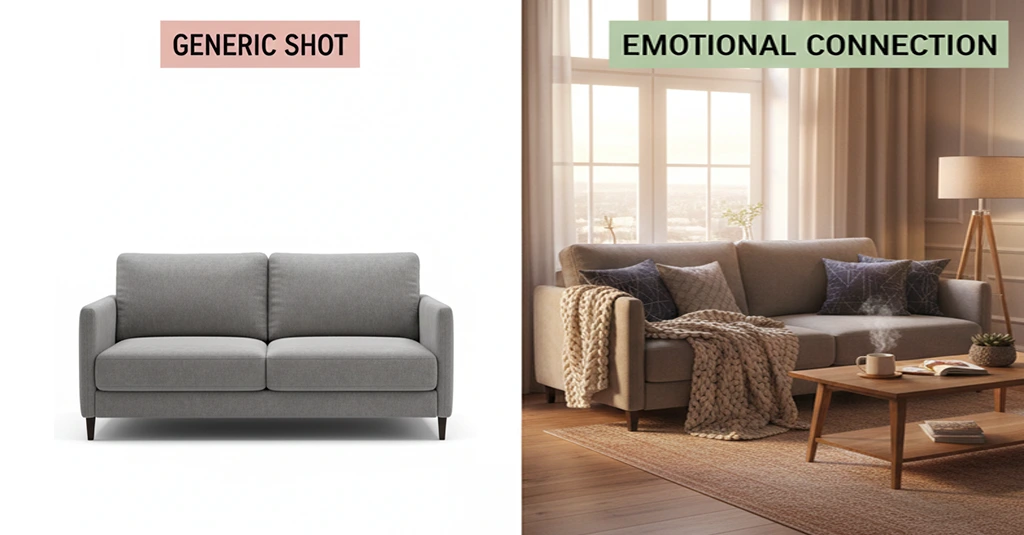
Psychology plays a major role in online shopping. A well-crafted image can trigger emotions such as desire, comfort & aspiration. For example, lifestyle photography showing a sofa in a cozy living room doesn’t just sell furniture, but it sells the feeling of a home. When emotions are activated, conversion rates naturally rise.
Consistency Builds Brand Identity
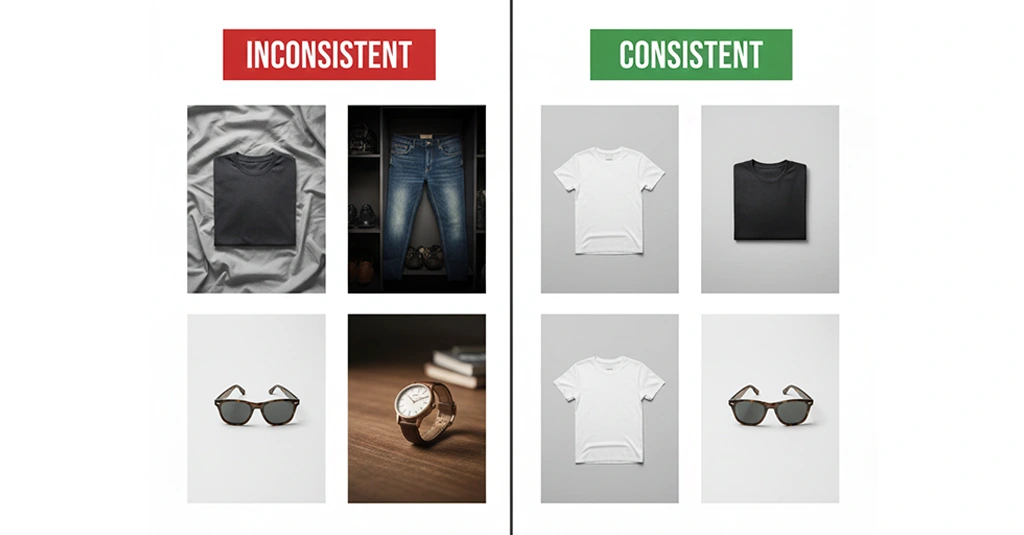
Consistent image style, like the same background, lighting & editing, creates a professional look across all platforms. This consistency makes a brand more memorable & trustworthy. Customers often return to stores that look professional as visuals align with perceived quality.
High-Quality Images Increase Click-Through Rates
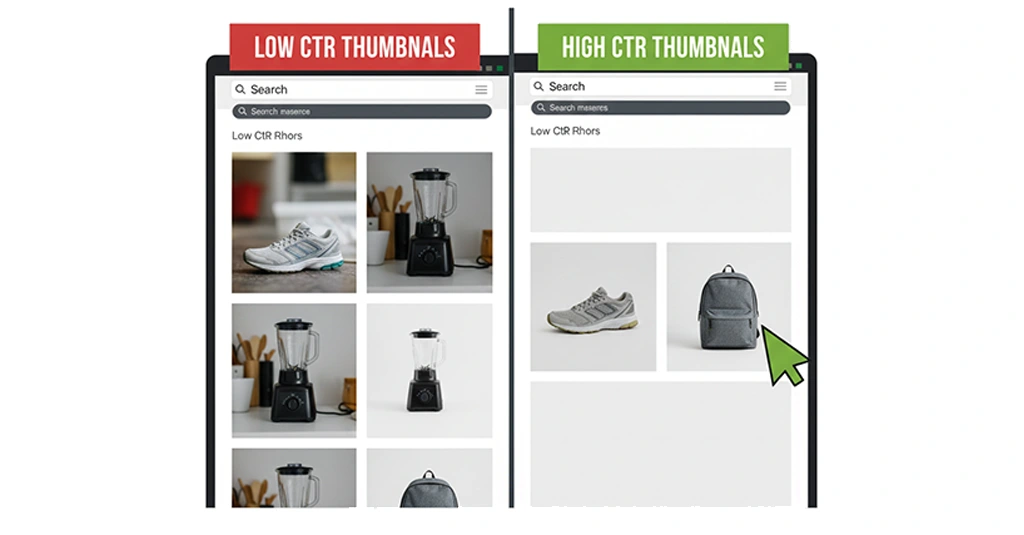
Search engines & ecommerce platforms like Amazon & Shopify highlight product thumbnails. A sharper, more appealing thumbnail
stands out among competitors, leading to higher click-through rates (CTR). More clicks equal more opportunities for sales.
Better Images Reduce Return Rates
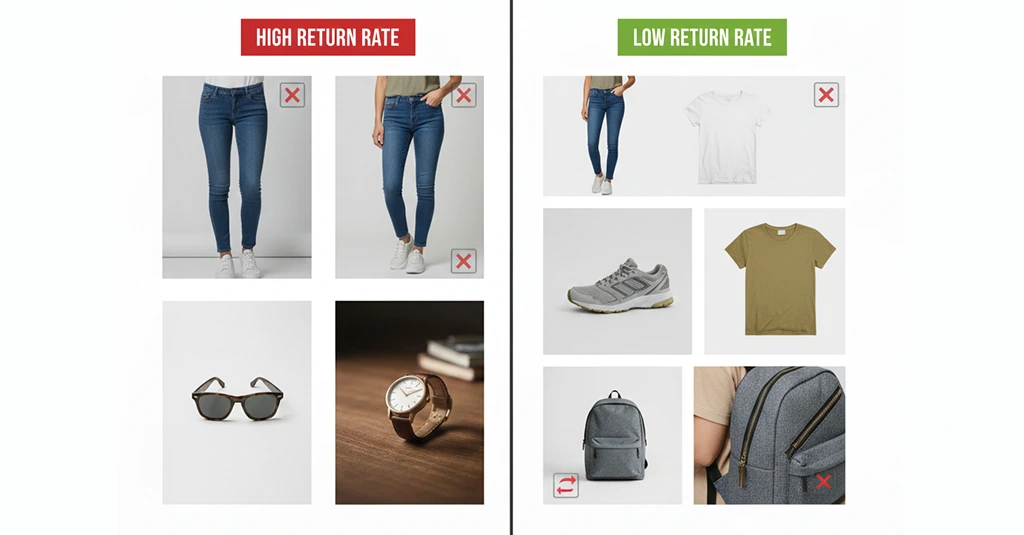
One hidden benefit of professional photography is fewer product returns. Many returns happen as the item doesn’t match customer expectations. Detailed, accurate, & true-to-color photos set the right expectations, leading to fewer disappointments & reduced return costs.
SEO Benefits of Quality Images
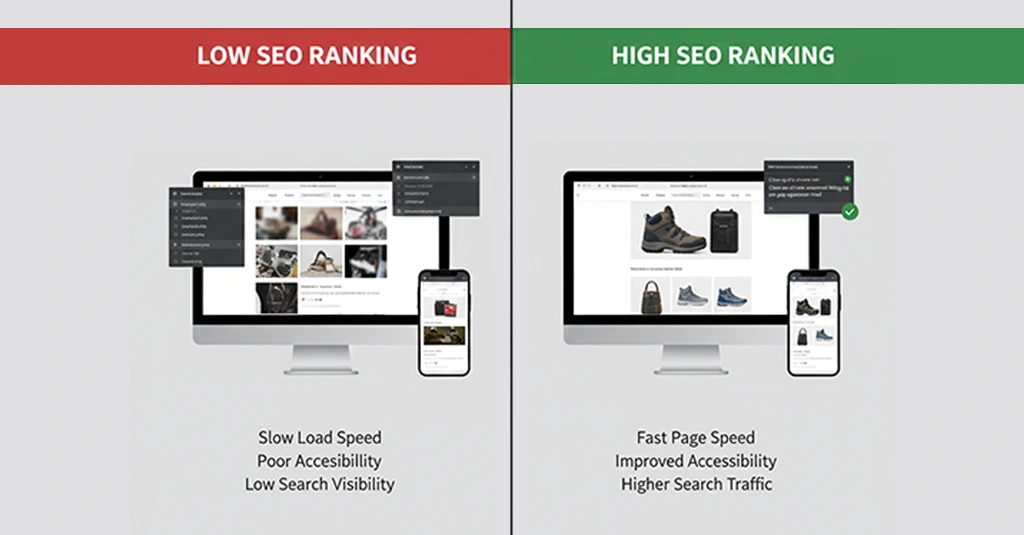
Optimized, high-quality product images with proper file names, alt tags & compression improve site speed & SEO ranking. Search engines like Google, Bing, Yahoo & Brave reward eCommerce sites that offer clear, well-structured visuals. Higher visibility in search engine results means more organic traffic & conversions.
Images Support Mobile Shopping

Over 60% of ecommerce traffic comes from mobile devices. On small screens, images carry even greater weight as text is harder to read.
A sharp image that loads quickly on mobile ensures users stay engaged, reducing bounce rates & improving overall sales.
Zoom & 360-Degree Views Add Value
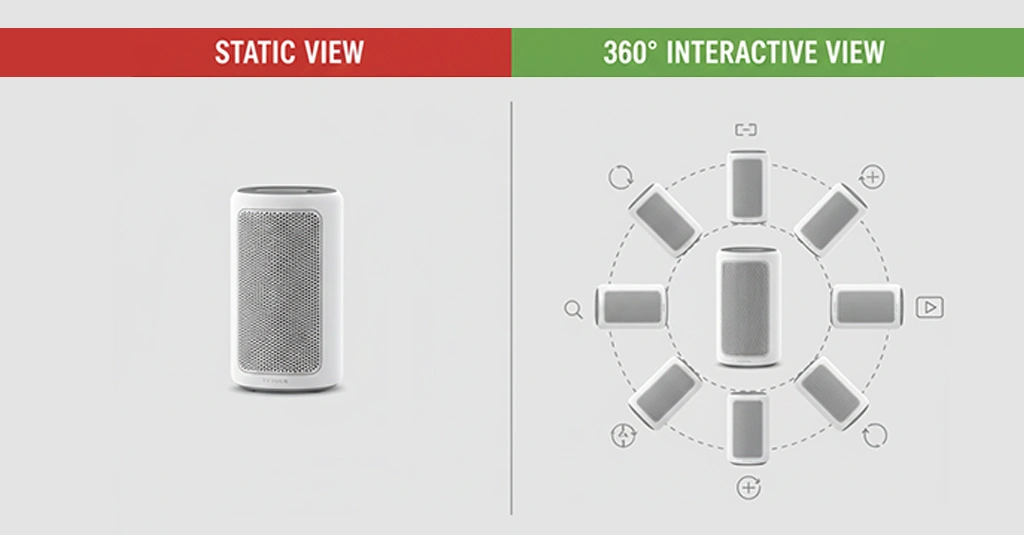
Interactive features like zoom-in & 360-degree rotation let shoppers “inspect” products virtually. These tools replicate the in-store experience of handling a product, increasing confidence & making customers more likely to hit “Buy Now”.
Product Images Influence Social Proof
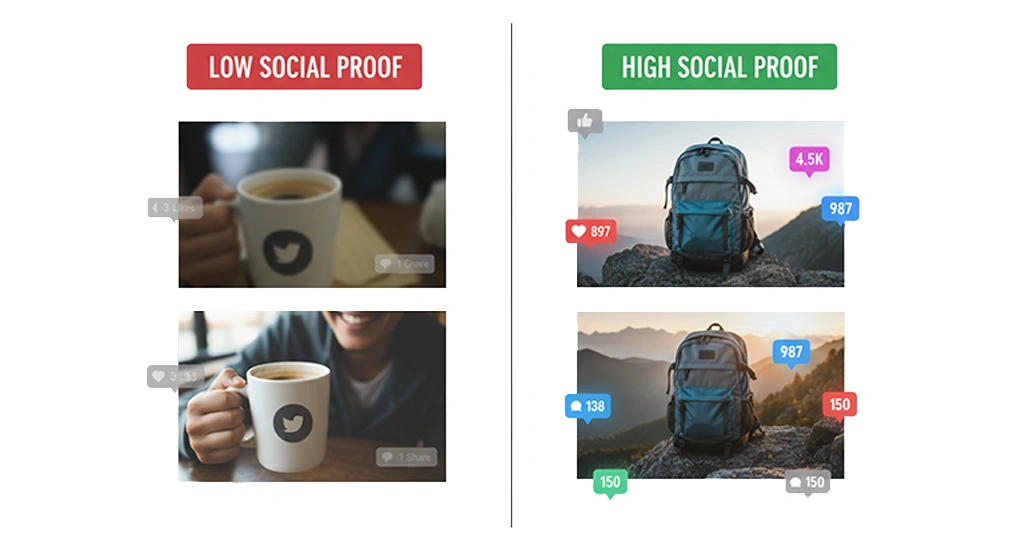
Customer reviews often include user-uploaded photos. When these real-life images align with professional product photos, shoppers gain reassurance that the brand is authentic. This combination of professional visuals & user-generated content builds trust & boosts conversions.
Color Psychology in Images
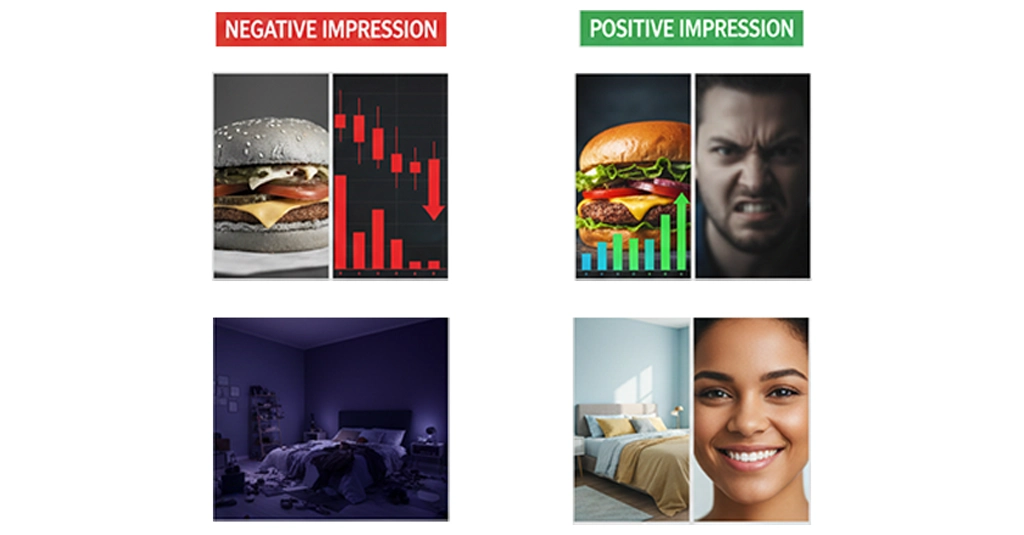
Colors influence emotions & purchase behavior. For example, blue conveys trust, red creates urgency & green suggests freshness.
Choosing the right background & editing for product photos can subconsciously guide buyers toward making faster decisions.
Lifestyle vs. Studio Shots
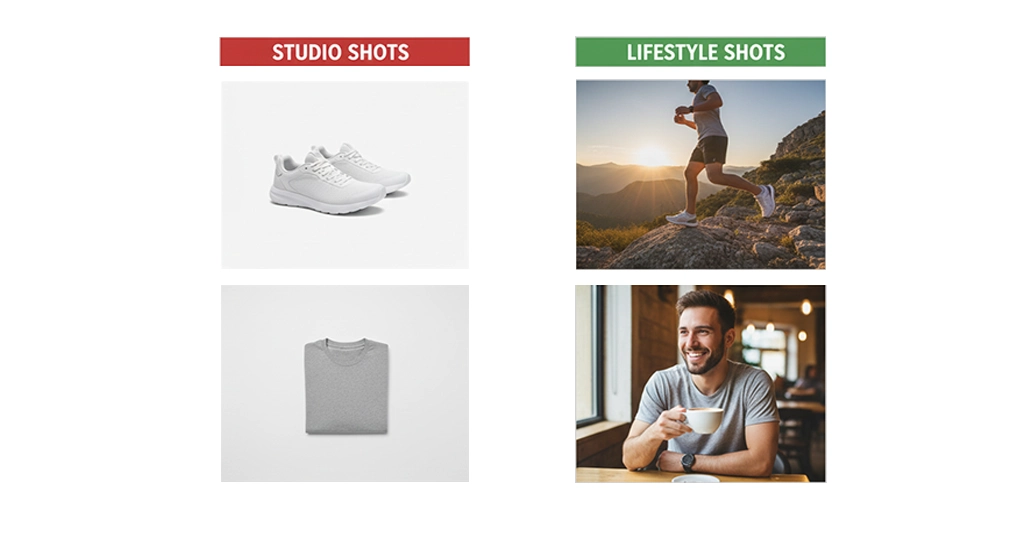
Both types of photography serve different purposes. Studio shots highlight product details clearly, while lifestyle shots show products in real-world scenarios. Together, they provide a balanced view that appeals to rational thinking (details) & emotional desires (aspirations).
The Role of Shadows & Reflections
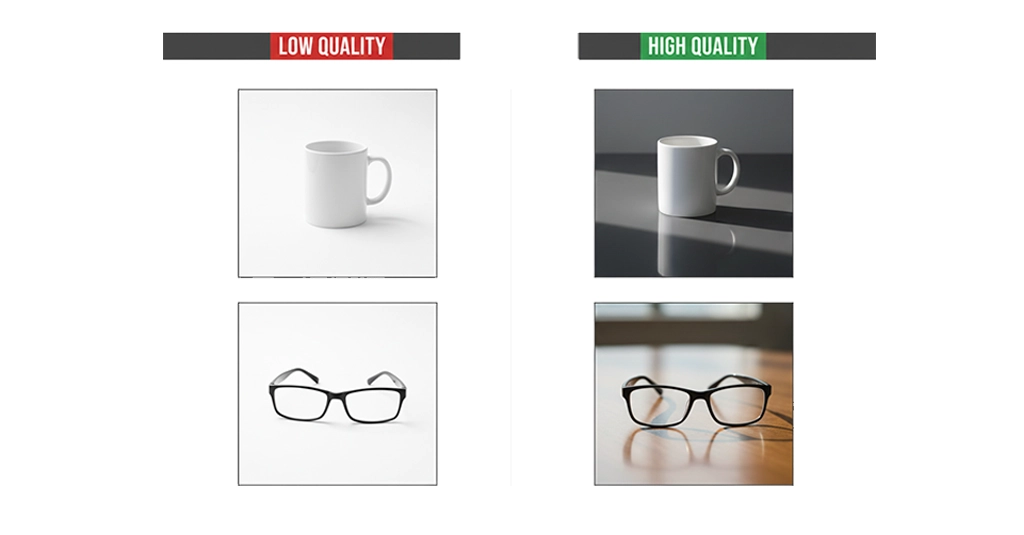
Small editing details, such as natural shadows or subtle reflections, make products look more realistic. Flat, lifeless images may appear fake, but well-edited photos with depth create a sense of authenticity, which in turn improves conversion rates.
Faster Decision-Making for Shoppers
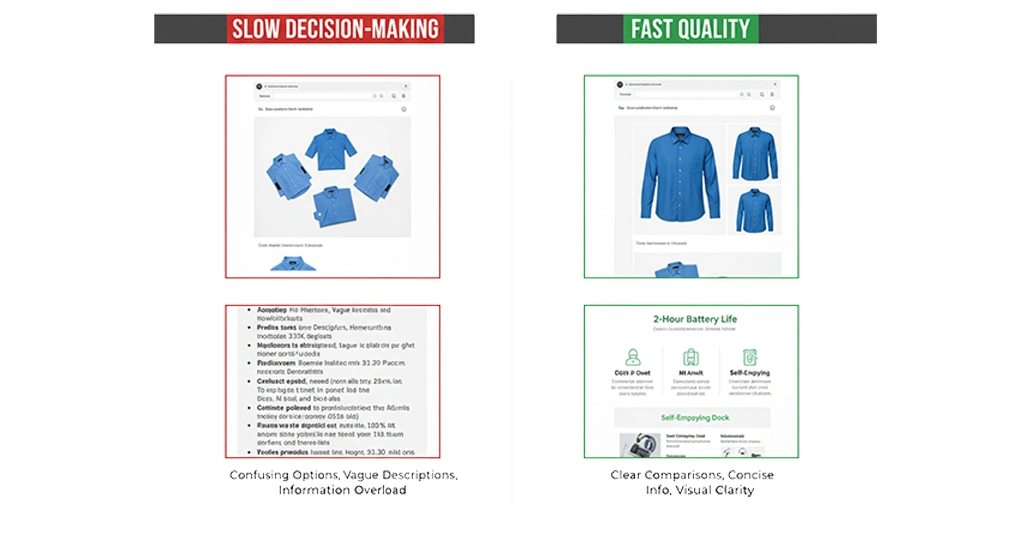
When images answer all questions, such as size, color, texture & usage, customers spend less time hesitating. This speed in decision-making shortens the buying cycle & increases conversion rates significantly.
Competitive Advantage Through Photography
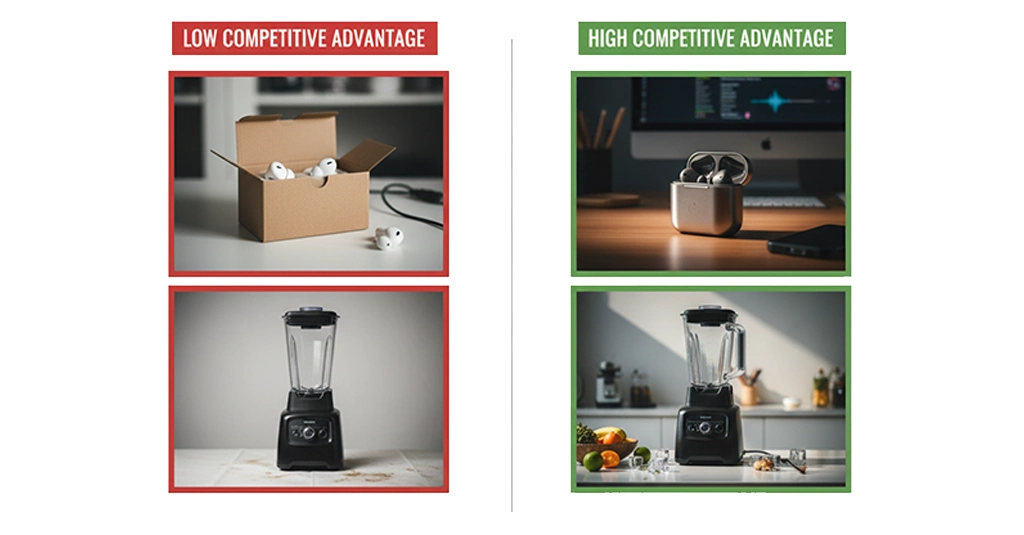
In markets where products are similar, photography becomes the deciding factor. For example, two sellers may offer identical phone cases, but the one with sharper, lifestyle-oriented photos usually earn more sales.
Images Impact Price Perception
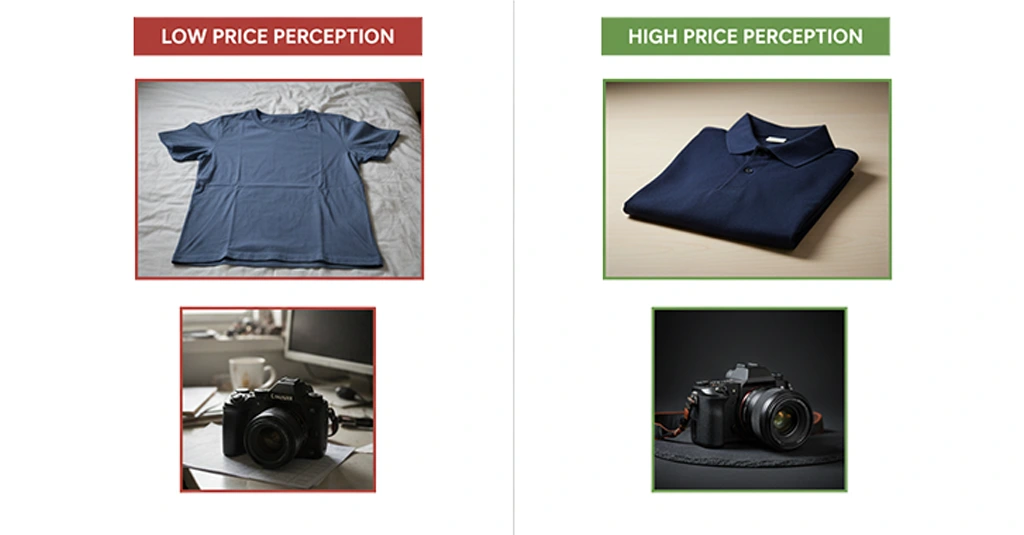
A premium-quality photo can justify a higher price tag. Customers often associate image quality with product quality. This means professional photography not only increases sales but also allows brands to maintain healthier profit margins.
The Science of Human Attention
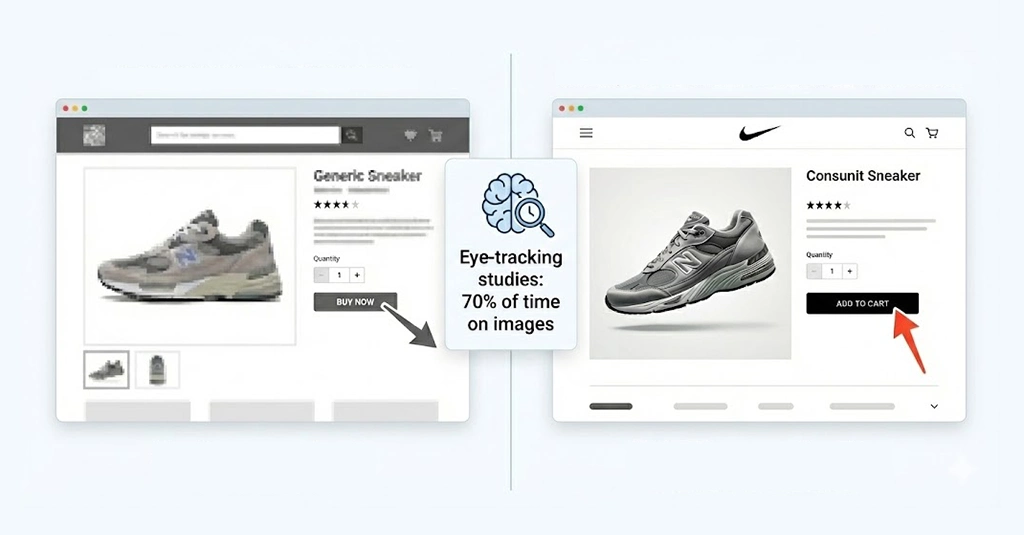
Eye-tracking studies show that people spend 70% of their online shopping time looking at product images. If those images are poor,
attention is lost quickly. High-quality visuals ensure attention is retained long enough to influence purchase decisions.
Conversion Boost from A/B Testing
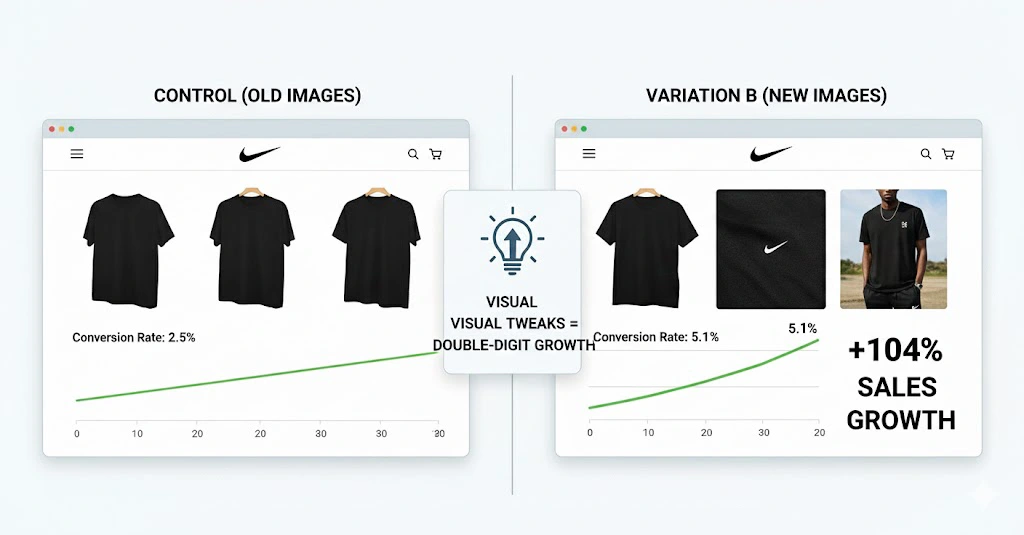
Brands that test multiple product image styles (different angles, backgrounds, or lifestyle shots) often find measurable improvements in conversions. Small visual tweaks can lead to double-digit growth in sales.
Images as Silent Salespeople
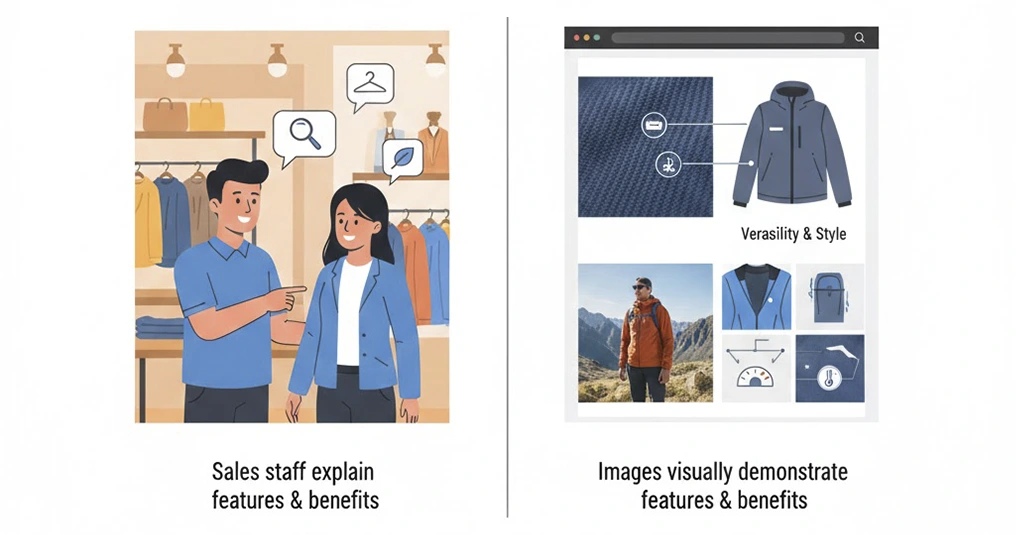
In physical stores, sales staff help customers understand products. In e-commerce, images take on that role. A photo that clearly demonstrates features & benefits becomes the digital equivalent of a salesperson guiding the customer toward checkout.
The Long-Term Impact on Brand Loyalty
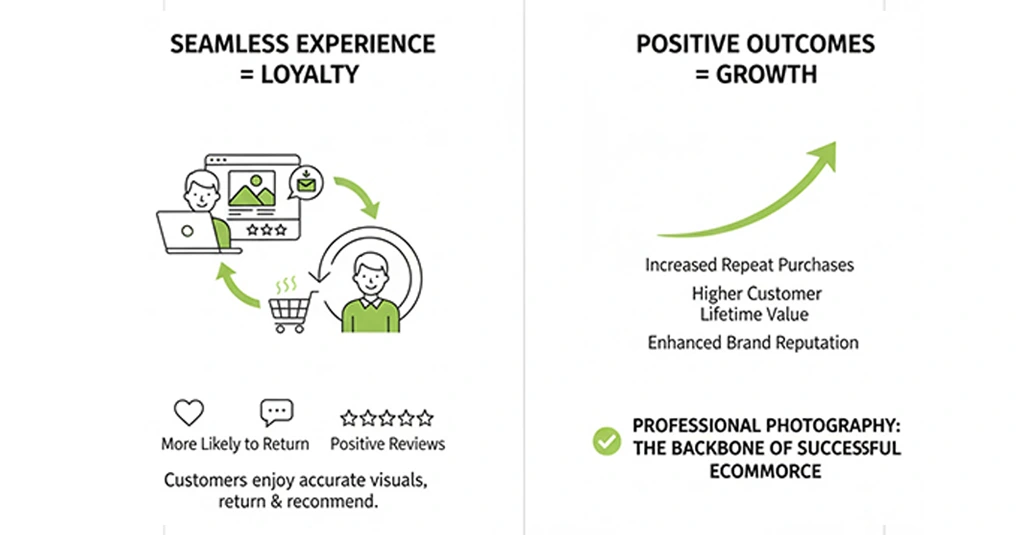
High-quality product photography not only drives single purchases but also creates loyalty. Customers who enjoy a seamless shopping experience with accurate visuals are more likely to return. They also recommend the brand to others & leave with positive reviews.
In today’s competitive digital market, professional photography is no longer optional. High-quality product images are not a nice-to-have
in online presence. They are the true backbone of successful eCommerce in the paced world.
They build trust, reduce uncertainty, create emotional connections & improve SEO, while boosting sales & customer loyalty.
This is a strategic investment that directly influences conversion rates & long-term growth.
Best Practices for High-Quality Ecommerce Product Photos
High-quality product photography is the foundation of successful online selling. As customers can’t touch or feel how good the quality
of a product, so high-quality images are the most powerful tool to build trust. This also reduces uncertainty & increases conversions.
Below are some of the best practices that every e-commerce business should follow.
Use Proper Lighting
Lighting is the backbone of product photography. Natural daylight provides soft, balanced tones, but artificial lighting, like softboxes
or LED panels, allows more control. Poor lighting leads to dark, flat images, while proper lighting highlights textures & colors.
For example, jewelry requires sharp lighting to enhance sparkle, while clothing benefits from softer, diffused light.
Maintain Consistency Across all Photos
Consistency strengthens brand identity. Using the same background, angles & editing style makes the store look professional.
Shoppers who see uniform images across categories perceive the brand as reliable.
A consistent photo style also helps on marketplaces like Amazon, where competing products are displayed side by side.
Show Multiple Angles & Close-Ups
One of the main reasons customers abandon carts is a lack of visual clarity. Show products from every angle, add zoomable
images & highlight small details like stitching, texture, or buttons. This approach reduces uncertainty & sets accurate expectations.
In turn, this lowers the return rates.
Optimize Backgrounds & Shadows
Clean, distraction-free backgrounds keep the focus on the product. White or light gray is widely used as it makes editing easier & works
well on all platforms. Adding natural shadows or subtle reflections creates depth, making the product look more realistic & trustworthy.
Balance Studio & Lifestyle Shots
Studio shots show the product clearly, while lifestyle shots place it in a real-world scenario. Together, they appeal to both logic & emotion.
For example, a sofa photographed in a living room setting doesn’t just sell furniture, it sells comfort & lifestyles.
Prioritize Image Quality & Resolution
Low-resolution photos look unprofessional & discourage buyers. High-resolution images allow customers to zoom in without distortion. However oversized files can slow down page speed, so compression without quality loss is essential.
This balance also improves SEO & mobile shopping experiences.
True-to-Life Editing with a Professional Touch
Retouching is essential for removing imperfections, but over-editing can mislead customers. Colors should remain accurate; proportions should be untouched & textures should stay natural. Realistic editing ensures customers receive what they expect, leading to better reviews
& repeat purchases.
Optimize for SEO & Mobile
Every photo should include optimized file names & alt text. This helps search engines understand the product & improves visibility in Google Images or marketplace searches. Since over 60% of ecommerce sales happen on mobile, images must load quickly & remain sharp on smaller screens.
Quick Checklist for Ecommerce Product Photos
Before publishing product images, ensure these things:
- Used proper lighting (natural or controlled artificial).
- Maintain consistent backgrounds, angles & editing styles.
- Included multiple angles & close-up shots.
- Used clean backgrounds with realistic shadows.
- Balanced studio & lifestyle photography.
- Uploaded high-resolution but optimized (compressed) images.
- Edited photos professionally without misleading changes.
- Added SEO-friendly file names & alt tags.
- Tested image quality on mobile & desktop.
- Published the best photo to attract customers.
FAQs.
1. Why Product Images Important for Ecommerce?
Product images are the first thing online shoppers notice before reading descriptions. Since customers can’t physically touch or try items, images replace the in-store experience by showing quality, size & details. Studies in consumer behavior show that visuals influence memory
& trust more than text alone.
The importance of product photography in ecommerce goes beyond aesthetics; it builds credibility & reduces doubts. For example, clear & consistent product images increase customer confidence, making them more likely to complete a purchase. Simply put, photos act as digital salespeople, shaping both first impressions & long-term brand reputation.
2. How Do Product Photos Affect Conversion Rates?
The link between product image & conversion rates is strong. High-quality visuals increase engagement, keep shoppers on product pages longer & reduce cart abandonment. When customers see multiple angles, close-ups & lifestyle shots, they feel more certain about their choice. This psychological clarity directly increases conversions.
For example, surveys reveal that over 70%of online buyers say product photos influence their buying decisions more than reviews. Poor-quality or inconsistent images, on the other hand, create hesitation & lead to lost sales. This shows the measurable impact of high-quality product images on conversion rates in ecommerce.
3. Should I Hire a Professional for Product Photography?
Hiring experts for professional product photography for an online store often pays off. Professionals understand lighting, composition & editing in ways that go beyond basic pictures. Their work ensures accuracy, consistency & visual appeal, all key to brand trust. While DIY photography can work for small sellers, professional photos are recommended for businesses that want to scale.
Quality product images also serve multiple channels, from websites to ads & social media, making them a long-term investment. Considering the proven role of high-quality ecommerce product photos in boosting conversions, professional photography is usually a smart & cost-effective choice.
4. Can Editing Improve Low-Quality Images for Ecommerce?
Editing can improve certain aspects of photos, like adjusting brightness, fixing colors, or removing backgrounds. But this has limits. If the original image is blurry or poorly lit, editing can’t fully fix it. However, professional editing can transform good photos into excellent ones by polishing details, creating shadows & ensuring uniformity across a store.
This consistency reinforces branding & enhances customer trust. In fact, many successful online businesses outsource editing to maintain high standards at scale. While editing improves presentation, starting with sharp, well-shot images remains essential for the impact of high-quality product images on conversions.
5. What Type of Product Images Work Best for Online Stores?
The most effective product images balance clarity & lifestyle appeal. Studio shots on plain backgrounds highlight features, while lifestyle photos show real-world use, helping customers imagine ownership. Close-ups capture textures & details, while 36o° or interactive views
build trust by reducing uncertainty. Research shows that customers are more likely to buy when they can explore multiple product angles.
For best results, online stores should combine all these formats consistently. This mix not only enhances product images & conversion rates but also demonstrates the importance of product photography in ecommerce as a tool for driving both sales & branding.
Conclusion
In e-commerce, product images are more than decoration; they are a decision. When shoppers can’t touch or try items, visuals become the bridge between doubt & purchase. Studies in consumer psychology confirm that the impact of high-quality product images is directly linked
to trust, engagement & higher conversion rates. Consistent, detailed & realistic photos reduce uncertainty, making customers more confident in their choices.
Form simple lighting adjustments to professional product photography for online stores, every improvement adds value to branding & sales. As we are have seen, clear visuals not only show features but also communicate reliability & quality. This explains why leading online businesses invest heavily in high-quality ecommerce product photos & editing.
In the end, strong product imagery is not just about increasing numbers. It’s about creating positive customer experiences. Brands that prioritize visuals today build the trust & loyalty that drive sustainable growth tomorrow

Hadi Zaman is a marketing specialist and content writer who loves tech, story writing, and content creation. With years of experience, he creates easy-to-read content that connects with readers. Inspired by new ideas and personal experiences, Hadi makes complex topics clear and relatable.